


 Address to
The course is addressed to Osteopaths, Doctors, Physiotherapists and other Health Professionals (graduates of Higher Education Institutes or Technological Educational Institutes).
Course Language
Course’s language is English with simultaneous translation to Greek.
Information
LLLC, EPIMORFOSIS organizes a seminar “Endocrinology in Osteopathy” with professor Eleonora Garibaldi
The seminar lasts 4 days and will be held in Athens on 05 – 08 November 2026.
The cost of the seminar is 600€. To finalize your participation, a deposit of 200€ must be paid.
The remaining amount of 400€ must be deposited at least 2 days before the start of the seminar.
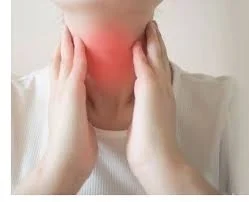
This 4-day seminar provides a comprehensive integration between endocrinology and osteopathic clinical practice.
Participants will explore how hormones regulate the body, how hormonal dysfunctions contribute to chronic pain, inflammation, recurrences and how osteopathic techniques can support hormonal balance.
General Objectives
By the end of the seminar, participants will be able to:
Understand what hormones are, how they work, and the different mechanisms of hormonal action (membrane receptors, nuclear receptors, second messengers, protein synthesis regulation).
- Explain the concepts of stimulus-response, positive and negative feedback, and endocrine rhythms.
- Understand the main hormonal axes, their physiology, interconnections and their relevance for osteopathic practice.
- Perform topographic anatomy and understand embryological development, vascular supply, lymphatic drainage and neurovegetative innervation of all major endocrine glands.
- Evaluate endocrine-related symptoms including fatigue, inflammation, mood changes, chronic pain and recurrent dysfunctions.
- Apply specific osteopathic tests and techniques to improve mobility, motility, vascularization, and neurovegetative balance of each gland.
- Integrate endocrine physiology in the clinical reasoning and treatment plan.
- Understand the relationship between hormones and the musculoskeletal system, cardiovascular system, ANS, memory, attention, and sleep disorders.
- Apply a complete osteopathic treatment on a patient with shared therapeutic decision-making.
Time Schedule
Day 1: Foundations of Endocrinology & Hormonal Physiology 08:30–09:00: Registrations Day 2: Gonads, Thyroid, Parathyroids & Thymus 09:00–11:00: Male & Female Gonads – Topographic anatomy – Embryological development – Venous, arterial and lymphatic drainage – Sympathetic & parasympathetic innervation – Hormones: testosterone, estrogen, progesterone, inhibin – Influence on mood, energy, muscle tone, bone density, memory – Osteopathic Tests & Techniques – HPG axis release – Vascular mobilization – Pelvic and lumbar techniques – Diaphragm and urogenital diaphragm techniques – Gonadal techniques Day 3:Pancreas, Adrenal Glands, Stress Axis & Metabolism 09:00–11:00: Pancreas – Anatomy: head, body, tail – Relationships with duodenum and vessels – Embryology and fascial relations – Arterial and venous drainage – Sympathetic and parasympathetic pathways – Hormones: insulin, glucagon, somatostatin – Clinical signs of dysregulation – Osteopathic Tests & Techniques – Pancreatic mobility tests – Duodeno-pancreatic fascial techniques – Celiac plexus release – Vagal stimulation Day 4: Hypothalamus, Pituitary, Pineal, Cranial Approach & Clinical Treatment 09:00–11:00: Hypothalamus – Anatomy, embryology and nuclei – Relationship with autonomic nervous system – Homeostasis, hunger, sleep, emotions – Pituitary Gland – Anterior (adenohypophysis) and posterior (neurohypophysis) – Hormones: GH, ACTH, TSH, PRL, LH, FSH, ADH, oxytocin – Vascular connections: hypophyseal portal system
09:00–11:00: Course Introduction & Objectives – Why hormones matter for osteopathy – Hormones, homeostasis, adaptation, stress, chronicity – The endocrine system as an interface between environment and tissues
11:00–11:30: Coffee Break
11:30–13:00: What Hormones Are & How They Work – Chemical classes: peptides, steroids, amines – Receptors: membrane, nuclear, cytoplasmic – Mechanisms of action – Second messengers – Gene transcription – Protein synthesis – Enzymatic modulation – Stimulus–Response concepts – Negative & positive feedback – Circadian and hormonal rhythms – Relationship with chronic inflammation and recurrences
13:00–13:45: Lunch Break
13:45–15:15: Hormonal Axes Overview – HPA axis – HPT axis – HPG axis – Pancreatic–metabolic axis – Pineal–hypothalamic melatonin axis – Interaction and compensation between axes – Clinical relevance: fatigue, chronic pain, sleep disorders, mood, memory, metabolism
15:15–15:30: Break
15:30–17:00: Anatomy & Embryology of the Endocrine System – General organization – Relationships with fascia, vessels and ANS – Importance of embryological migration for tension patterns – Osteopathic Concepts Applied to Endocrine Glands – Mobility & motility – Neurovegetative balance – Vascular and lymphatic drainage – Fascial relationships – Hands-on session: Global endocrine palpation – Inhibition tests to identify primary dysfunction
Final Discussion – Day 1
11:00–11:30: Coffee Break
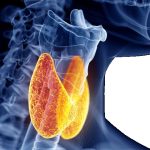
11:30–13:00: Thyroid & Parathyroid Glands – Embryology (thyroid descent, parathyroid migration) – Topography and anatomical relationships – Vascular supply and lymphatic drainage – Sympathetic and vagal pathways – Hormonal physiology: T3, T4, calcitonin, PTH – Effects on metabolism, osteo-muscular pain, sleep, anxiety
13:00–13:45: Lunch Break
13:45–15:15: Thymus – Embryology and involution – Relationship with immune system – Cervical fascia and mediastinum connections – Impact on chronic inflammation
15:15–15:30: Break
15:30–17:00: Osteopathic Techniques – Thyroid venous and lymphatic drainage – Cervical fascia release – Mediastinum release – Rib cage techniques – Vagus nerve stimulation techniques – Sternum techniques – Case Study 1 – Chronic fatigue – Cervical tension – Thyroid dysfunction pattern
Final Discussion – Day 2
11:00–11:30: Coffee Break
11:30–13:00: Adrenal Glands & HPA Axis – Anatomy and embryology – Cortex and medulla – Vulnerable blood supply – Sympathetic dominance and chronic stress – Cortisol, aldosterone, catecholamines – Effects on inflammation, chronic pain, anxiety, memory and sleep
13:00–13:45: Lunch Break
13:45–15:15: Techniques for Stress Axis Regulation – Diaphragmatic release – Kidney and adrenal mobilization – Cranial techniques (SBS, sphenoid, temporal bones) – Sympathetic chain inhibition – Vagal activation strategies – Lymphatic approach – Case Study 2 – Chronic low back pain – Adrenal fatigue pattern
15:15–15:30: Break
15:30–17:00: Complete Treatment Session – Real patient or guided simulation
Final Discussion – Day 3
11:00–11:30: Coffee Break
11:30–13:00: Pineal Gland – Anatomy and venous drainage – Melatonin and circadian rhythms – Relationship with sleep, memory and mood – Osteopathic Cranial Techniques – Cranial endocrine protocol – Sella turcica balancing – Sphenoid and ethmoid release – Frontal and temporal bone techniques – Venous sinus drainage
13:00–13:45: Lunch Break
13:45–15:15: Complete Endocrine Clinical Assessment – Endocrine red flags – Interpretation of endocrine symptoms in osteopathy – Axes interactions: HPA–HPG–HPT–Pineal
15:15–15:30: Break
15:30–16:30: Discussion of Findings & Closing Session – Treatment planning based on hormonal axes – Integration of osteopathic techniques – Summary of key concepts – Q&A – Integrating endocrine reasoning into daily osteopathic practice – Importance of hormonal balance in reducing recurrences and chronic inflammation
Teachers
 ViewCV
Ways of Payment
ViewCV
Ways of Payment
1. Credit or Deposit card payment
You can deposit the down payment or the total fee via credit or deposit card (Visa & Mastercard) from the webpage of each course, through VivaPayments.
You are solely responsible for the proper entry and the genuineness of your credit/deposit card’s details. EPIMORFOSIS bears no responsibility in case of any error.
2. Deposit – Transfer to our bank account.
Since the banking system now requires Verification of Payee (VoP) for every transaction, for your convenience, you may complete it using the TAX REFERENCE number of EPIMORFOSIS, which is 800551451
You can deposit or transfer the requested amount for your registration to the following accounts, writing your full name in the field “Reason for the Beneficiary”:
PIRAEUS BANK:
ΙΒΑΝ: GR5501722380005238070348955
SWIFT(BIC): PIRBGRAA
NATIONAL BANK of GREECE:
IBAN: GR6801102170000021744103439
SWIFT(BIC): ETHNGRAA
ALPHA BANK :
ΙΒΑΝ: GR4801407080708002002013410
SWIFT(BIC): CRBAGRAA
EUROBANK:
ΙΒΑΝ: GR4502600370000010201090153
SWIFT(BIC): ERBKGRAA
Beneficiary: EPIMORFOSIS KENTRO EPIMORFOSIS STELECHON YGEIAS OE
3. Payment via IRIS.
You can complete the payment for your order through the IRIS online payment service.
TAX REFERENCE EPIMORFOSIS: 800551451
The bank transfer fee charged to EPIMORFOSIS
Terms of Participation
1. A certificate of attendance, a degree or a diploma will be issued.
2. Printed handouts are provided (notes or relevant book).
3. In case of cancellation of the seminar due to EPIMORFOSIS’s responsibility, deposited fees will be refunded immediately.
4. EPIMORFOSIS reserves the right to change the date or postopone seminars, informing participants by phone and / or sms & e-mail. In such a case participants are entitled to request full refund of their fees if they do not wish to attend the seminar on the new date or to use this amount for their participation in other seminars or services of the company.
5. In the event of a strike, government’s bans, heavy bad weather, and generally any event beyond the reasonable control of the organisers which impedes the execution of part or all of the seminar, the organizers reserve the right to change the date and time of the event. In this case the fees are not refundable but are valid as they are.
6. Cancellation of participation due to participant’s responsibility is possible only by email, as follows:
• up to 30 days prior to the start of the seminar, all deposits are refundable.
• up to 15 days prior to the start of the seminar, 50% is refundable.
• no refund after this deadline, exceptions could be only by decision of EPIMORFOSIS.
7. The realisation of the course will be confirmed by email or/and sms to be sent to participants, in time.
8. It is advised to not buy your flight tickets until you receive this confirmation email (or/and sms).
9. LLC EPIMORFOSIS keeps the right to change course venues.
Hotels
You can make your own reservation declaring the name of Εpimorfosis.
Hotel Delfini**
More information: Tel.: +30 210 94 15 364 & 94 15 373
Map
Η ενδοκρινολογία στην Οστεοπαθητική – ΑΘΗΝΑ 2026
Price range: €200.00 through €600.00
EPIMORFOSIS justifies its name by providing high quality courses. George Karampalis operates more like a constant “trainee” and less like an entrepreneur, and this is an additional positive fact in the effort that is put by the workers and teachers of EPIMORFOSIS.
I have known George Karampalis and EPIMORFOSIS for many years. I’ve had the opportunity to join several clinical courses and I can argue that, at the level of organisation and selection of trainers, they have a high level of recognised prestige.
My first steps in professional specialization started with EPIMORFOSIS and continue. It has been with us all these years, covering the need for modern and documented knowledge, in collaboration with internationally acclaimed educational institutions.
The best physiotherapists training institution. It enables the development of the necessary knowledge for clinical reasoning. High-quality training without having to travel abroad.
Training, a steady value for more than twenty years now, leads physiotherapy and keeps it at a very high level, well done to George Karambalis and his associates, we owe a lot to all of you.
EPIMORFOSIS organizes specialization seminars for rehabilitation professionals. I’ve watched a lot. I strongly recommend you trust EPIMORFOSIS for your specialization and lifelong information.


 Smart
Smart